

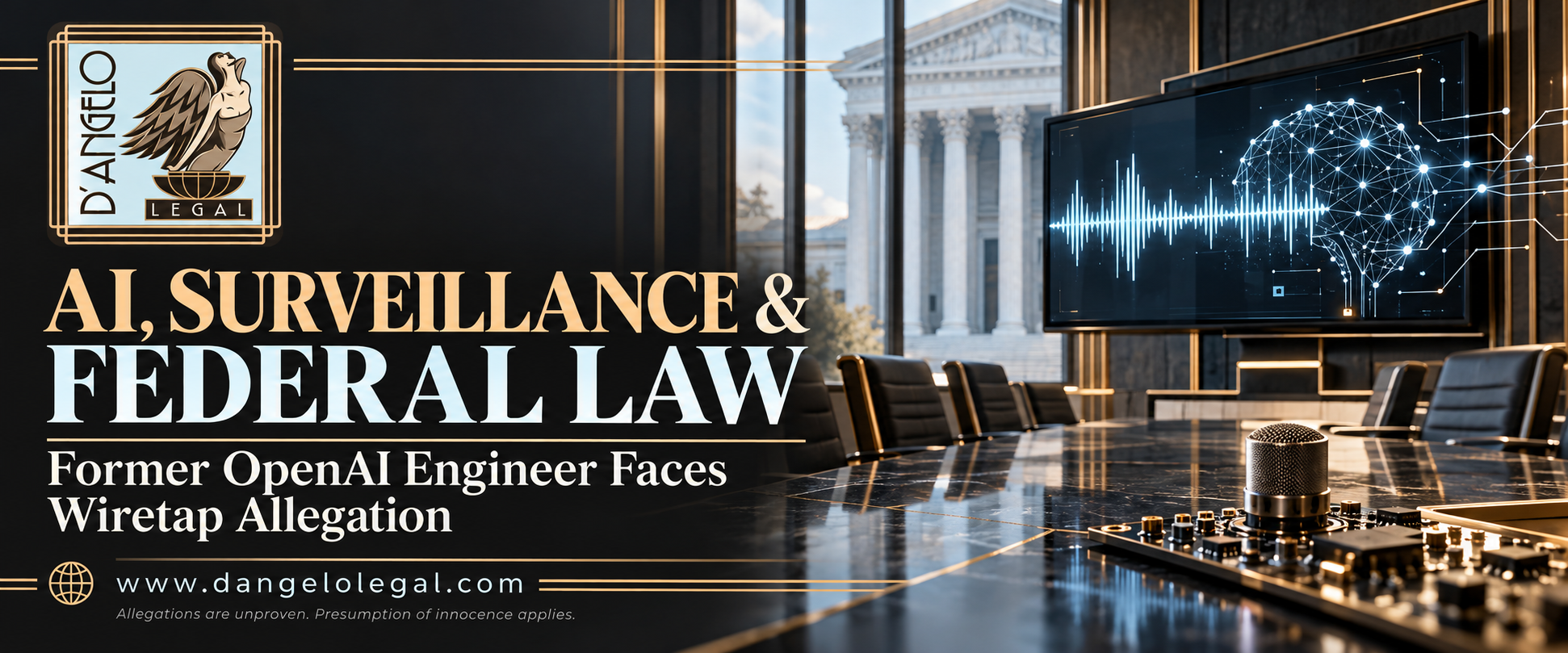
Former OpenAI Engineer Charged With Bugging Executive Conference Room: What the Federal Wiretap Case Means
A former OpenAI engineer faces a federal wiretap charge over alleged covert recording. Explore the allegations, potential penalties, and presumption of innocence.
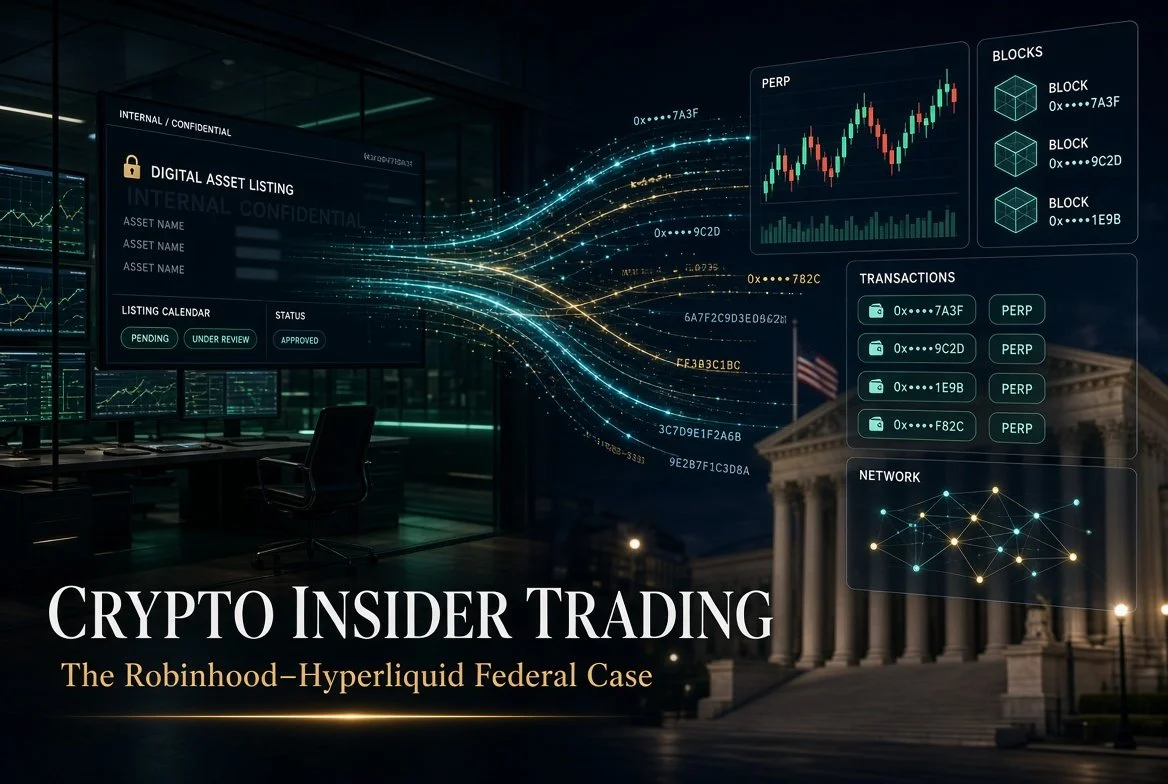
Robinhood Engineers Charged With Crypto Insider Trading: What the Hyperliquid Case Means for Federal Crypto Investigations
Federal crypto defense attorney Carlo D’Angelo examines the Robinhood insider trading case, Hyperliquid perps, wire fraud, commodities fraud and onchain evidence.

Trezor Leak of Customer Data: When a Shipping Leak Becomes a Physical Threat
A breach at Trezor's shipping vendor exposed nearly 14,000 customers' home addresses as violent "wrench attacks" on crypto holders surge. What to know.

DOJ Charges Ex-FBI Agent Draining $1M From Adversary Nation State's Crypto Wallets
An FBI counterintelligence agent allegedly used seed phrases from case files to drain ~$1M from a foreign adversary's crypto wallets — then confessed. Case breakdown, charges, and FAQ.

Treasure Fleets & Cold Wallets: What the Age of Piracy Teaches Bitcoin About Its Self-Custody Crisis
The $89M Coldcard exploit reignited the Bitcoin self-custody debate. Treasure fleets, Lloyd's of London, and goldsmith-bankers show how this story ends.
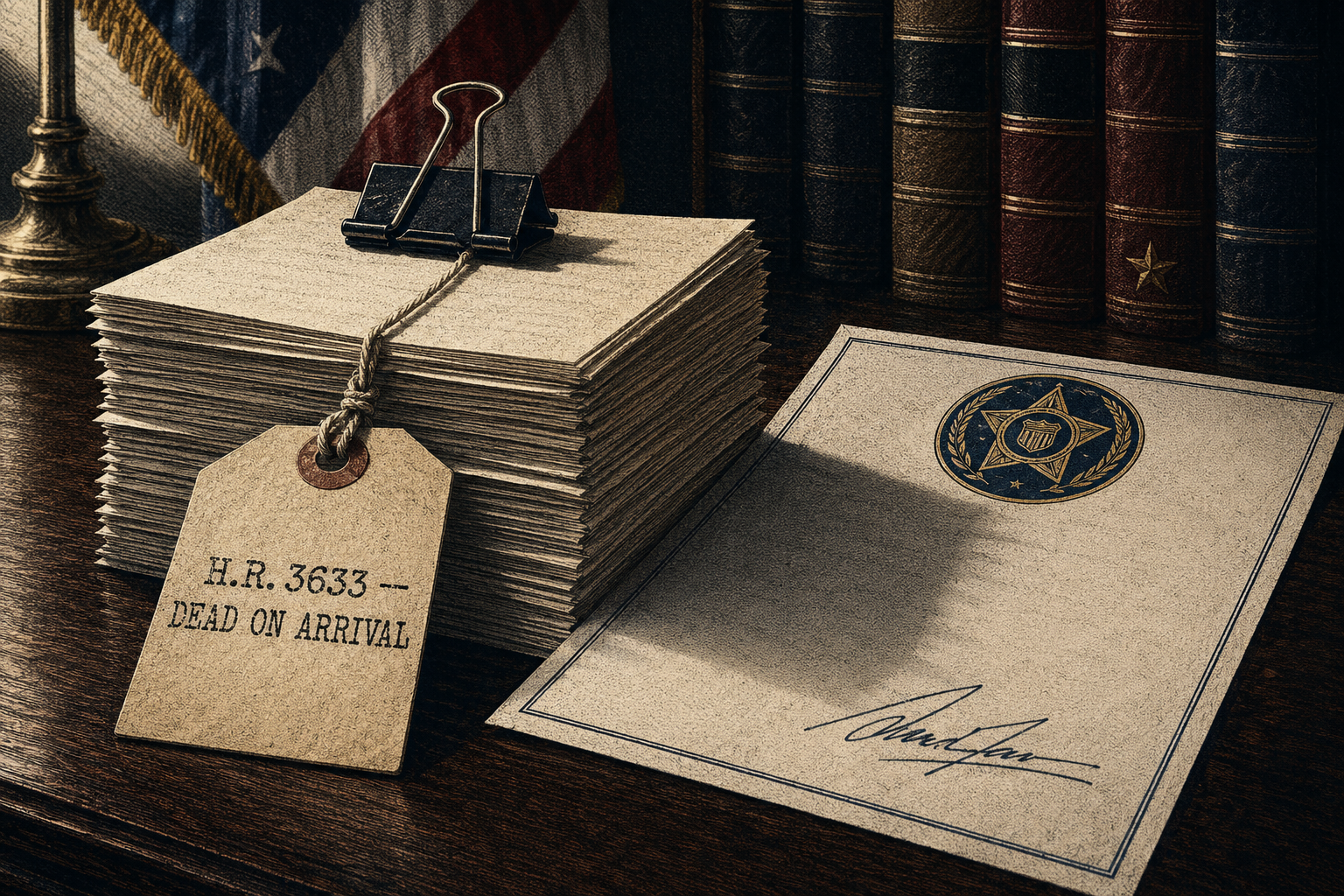
The Cops Want Rules. Sen. Warren Wants the Bill Dead. What That Tells Us
The police union that fought the CLARITY Act now backs it. What the reversal means for crypto developers, exchanges, and anyone under federal investigation.
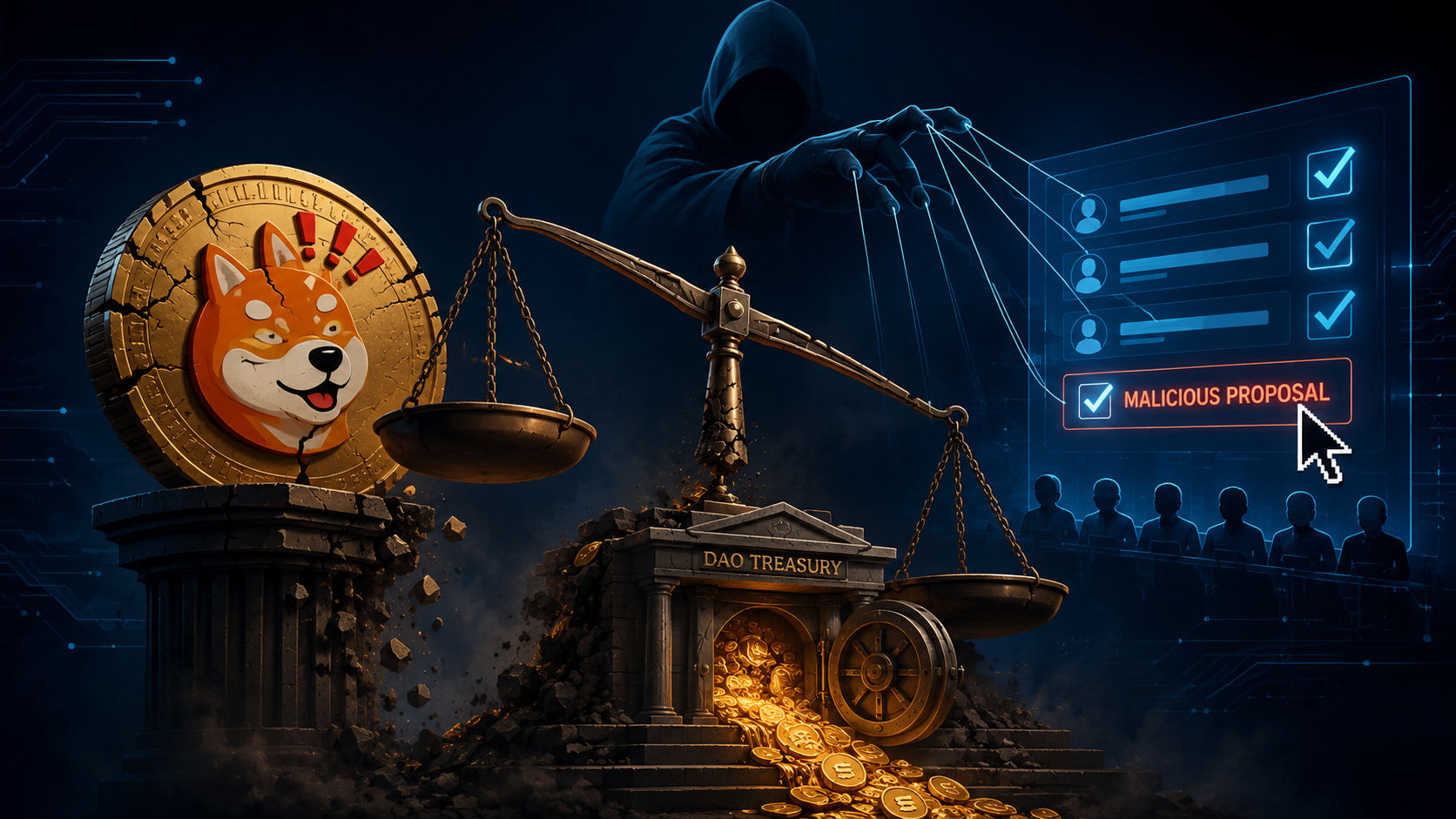
Code Is Not Law: What the $20 Million BONK DAO Governance Attack Means for Crypto DAOs
BONK DAO's $20M Governance Attack: Legal Takeaways
An attacker spent $4M to vote himself $20M from the BONK DAO treasury. Why "code is law" won't shield governance attacks — and how DAOs can protect themselves.

The Supreme Court Holds: A Geofence Warrant Is a "Search" — Here's What Chatrie Means for You
The FBI Is Coming for Crypto Crime, Again
The FBI Is Coming for Crypto Crime — And Compliance Officers
FBI Director Kash Patel put crypto enforcement on notice. A federal defense attorney explains why the GENIUS Act makes compliance officers the next targets.
FBI Crypto Crackdown: Why Compliance Officers Are Next"
The next wave of crypto defendants won't just be scammers — it'll include CCOs and BSA officers. Here's how the GENIUS Act reshaped criminal exposure."
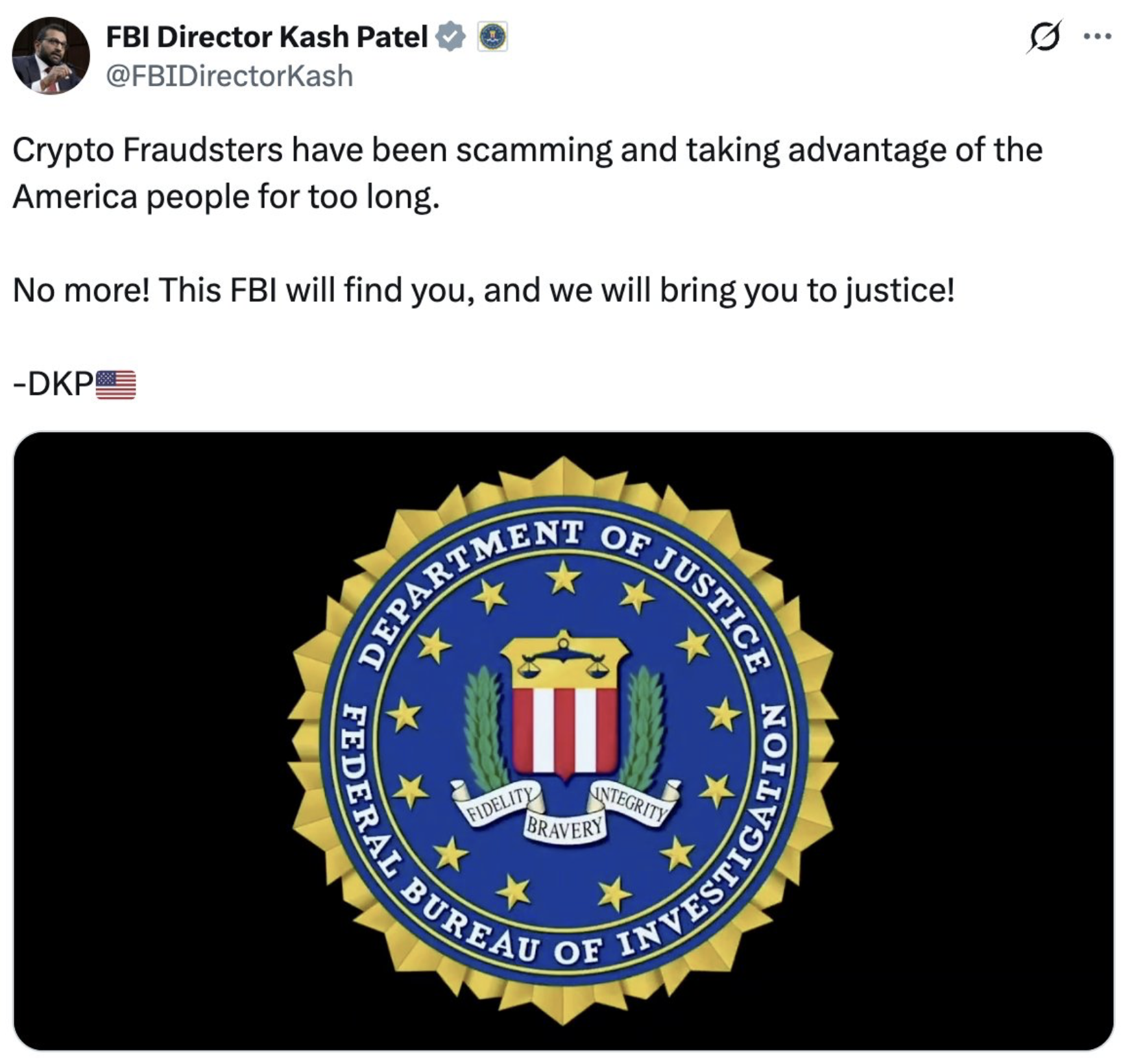
Kash Patel Says the FBI Is Coming for Crypto Fraud. Here's What the Defense Sees.
Kash Patel Says the FBI Is Coming for Crypto Fraud. Here's What the Defense Sees.
Crypto crime is nothing new — it's old crimes on new rails. The blockchain that lets the government build its case is the same ledger a prepared defense uses to take it apart.

Crypto Is Just Fake Internet Money"? Why That Defense Won't Save You in Federal Court
“As alleged, Jonathan Spalletta repeatedly hacked smart contracts to steal millions of dollars’ worth of other people’s money for himself, and destroyed a cryptocurrency exchange in the process,” said U.S. Attorney Jay Clayton. “In describing his alleged ‘heist,’ Spalletta told another individual ‘Crypto is just fake internet money anyway.’ Stealing from a crypto exchange is stealing—the claim that ‘crypto is different’ does not change that. For the victims, there is nothing different about having your money taken. Spalletta cost real victims real losses of tens of millions of dollars, and now he’s under real arrest.”

The Future of Crime Is AI: If AI is the weapon, then crypto is the getaway car.
Two Supreme Court Rulings Just Narrowed Federal Compassionate Release: What East Texas Inmates and Families Need to Know
What Is a Federal Target Letter? What It Means—and What to Do Next

Guns and Drug Use: What the Supreme Court's United States v. Hemani Decision Could Mean for Texans
Guns and Drug Use: What the Supreme Court's United States v. Hemani Decision Could Mean for Texans
By Carlo D'Angelo, Criminal Defense Attorney | D'Angelo Legal, Tyler, Texas
Quick answer: The U.S. Supreme Court is deciding whether a federal law that bans gun possession by people who use illegal drugs — including marijuana — violates the Second Amendment. The case, United States v. Hemani, started right here in the Eastern District of Texas. A ruling is expected by the summer of 2026, and it could reshape how federal prosecutors charge gun-and-drug cases across East Texas and the country.
A Texas Case That Reached the Nation's Highest Court
One of the most closely watched federal criminal cases of 2026 began in Texas. In United States v. Hemani, federal agents searched the home of Ali Danial Hemani and found a 9mm handgun along with marijuana and a small amount of cocaine. Hemani acknowledged that he used both substances. He was indicted in the Eastern District of Texas under 18 U.S.C. § 922(g)(3) — the federal statute that makes it a crime for anyone who is "an unlawful user of or addicted to any controlled substance" to possess a firearm.
What makes this case extraordinary is what happened next. Rather than accepting the charge, Hemani challenged the law itself, arguing that disarming someone simply because they use a controlled substance violates the Second Amendment. The federal district court agreed and dismissed the indictment. The Fifth Circuit Court of Appeals affirmed that dismissal. The federal government then asked the U.S. Supreme Court to step in, and the Court heard oral argument on March 2, 2026.
Healthcare Fraud in the Eastern District of Texas
3 Crypto Crime Myths That Could Land You in Federal Prison
Cryptocurrency Cases in the Eastern District of Texas
Federal crypto prosecutions are no longer confined to New York and California. The Eastern District of Texas — Tyler, Sherman, Plano, Beaumont — has a growing docket of digital-asset cases.